The Challenges of Developing Humanoid Robots
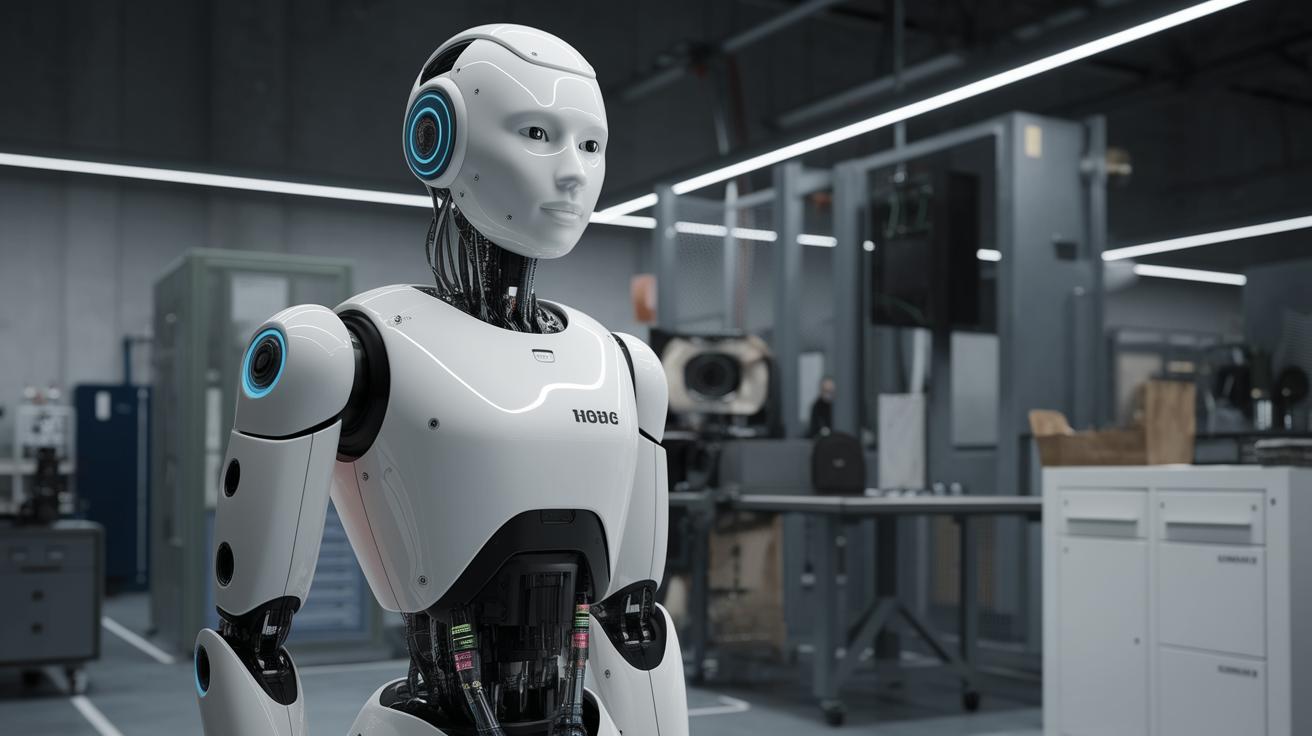
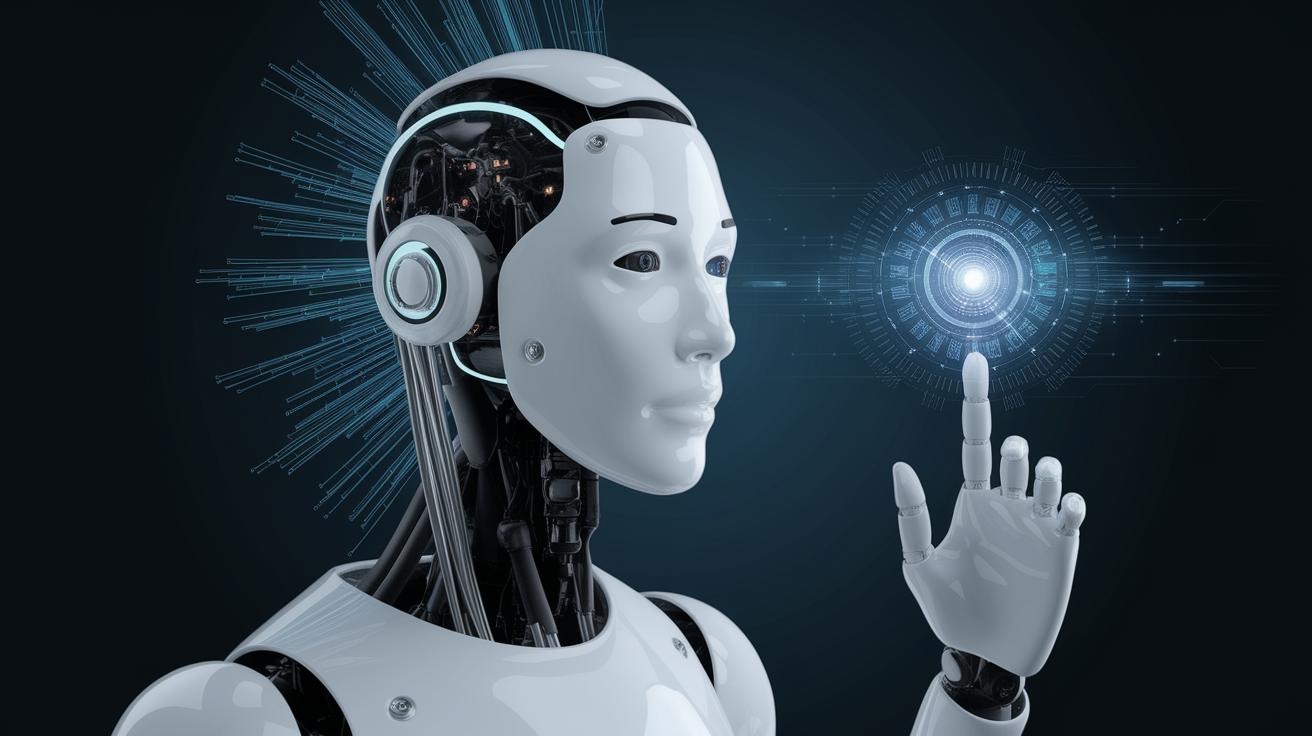
In today’s rapidly advancing era of technology, humanoid robots stand out as a vision of the future that many companies and researchers strive to achieve. These robots, designed to resemble and behave like humans, present unmatched opportunities across industries. However, their development is riddled with challenges that range from engineering complexities to ethical dilemmas. This blog post delves into these challenges, exploring the unique hurdles that come with designing humanoid robotic systems and the implications they hold for our future. Topics include the technological gaps, unique design considerations needed, and the massive scale of undertaking such projects.
The Missing Link
Humanoid robots are designed to mimic human form and function, yet a significant gap remains in replicating human-like abilities seamlessly. One of the primary hurdles is sensory system integration. While sensors can be deployed to mimic human senses, the complexity of integrating these sensors to work cohesively eludes developers.
Moreover, the challenge extends to developing algorithms that allow robots to process and react to sensory inputs in real-time, similar to human reflexes. Advanced machine learning techniques provide partial solutions but are yet to be perfected in this domain.
The Rules of the Game Are Different
Humanoid robots require a different set of design principles compared to traditional robots. Designing for both aesthetics and function, while maintaining balance and dexterity similar to human capabilities, presents unique challenges. The development process involves interdisciplinary efforts combining fields like biomechanics, artificial intelligence, and material science.
Furthermore, humanoid robots must adhere to ethical guidelines and societal norms. As we move closer to creating robots indistinguishable from humans in behavior and appearance, questions of ethics, responsibility, and safety become paramount. Addressing these concerns is critical to the acceptance and integration of humanoid robots in society.
The Sheer Scale
The undertaking of developing humanoid robots is monumental in scale. Not only does it require immense financial investment, but it also demands collaboration across global talents. Global partnerships between research institutions, technology companies, and governments are essential to pool resources and knowledge.
On the technical side, scaling up production while maintaining quality control is a major concern. Precision in manufacturing processes must be followed to replicate human-like features and movements accurately. Additionally, creating a sustainable and scalable supply chain for the numerous parts is a challenge that continues to evolve.
Latest News
In recent developments, several technology companies have made strides in the humanoid robotics sector. Companies like Boston Dynamics and Tesla are at the forefront, continually refining their designs for increased realism and functionality.
New advances in artificial intelligence are also being integrated into humanoid robots, allowing for more adaptive and interactive capabilities. However, amid these positive strides, the legal and regulatory frameworks governing the deployment of such robots remain a contentious topic.
Latest News
Reports indicate an increasing interest in humanoid robots from consumer technology companies aiming to integrate them into everyday use. These developments hint at a near future where humanoid robots might serve as personal assistants, companions, or even care providers.
Nonetheless, this potential mainstream adoption will necessitate addressing privacy concerns and ensuring robust security measures against potential misuse or malfunction of these sophisticated systems.
You May Also Like
Mackle Food Company Creates 32 Jobs Amid £6.3m Automation Investment
The food industry embraces automation, with Mackle Food Company spearheading efforts to modernize operations. Investing £6.3m, they are creating 32 new jobs, showcasing how automation can synergize with traditional industries to boost efficiency and employment.
Automated Steel Fabrication Facility to Create 60 Laois Jobs
A new automated steel fabrication facility is set to open in Laois, paving the way for modernized manufacturing processes. The facility will create 60 jobs, highlighting automation’s potential to revolutionize industries while bolstering regional economies.
Tesla Cybertruck Explodes Outside Trump Hotel, Killing One
In a shocking incident, a Tesla Cybertruck exploded outside the Trump hotel. The tragic event resulted in one fatality and raises concerns about the safety measures and protocols surrounding emerging automotive technologies.
MIT Builds Tiny Hopping Robot to Navigate Challenging Terrains
MIT researchers have pioneered a tiny hopping robot designed to navigate challenging terrains. This innovative robot holds potential in exploration and rescue missions, showcasing how robotics can be adapted to diverse environmental challenges.
Anthropic Plans European Expansion with 100 New Jobs
An AI safety and research company, Anthropic, has announced its plans for European expansion. Creating 100 new jobs, the move underlines the robust growth and demand within the AI sector, fostering new opportunities on the continent.
Musk’s AI Start-up Acquires X
Musk’s AI startup has completed the acquisition of X, marking a strategic expansion in the AI domain. This move signals intensified competition among tech giants and reveals the dynamic nature of the AI landscape.
More from Science
Stay updated with the latest science news. Explore cutting-edge advancements, intriguing experiments, and breakthroughs defining the future of technology and human knowledge.
Final Thoughts
The development of humanoid robots is a technological challenge marked by complexity, innovation, and collaborative effort. As we bridge the gap between current capabilities and the ideal humanoid model, the integration of ethics, scaling, and ground-breaking technology continues to shape this evolving field. The journey is undoubtedly as intricate as it is fascinating, and as technological frontiers expand, humanoid robots bring us closer to redefining human-robot interactions.
| Challenge | Description |
|---|---|
| The Missing Link | Difficulty in replicating human-like sensory integration and algorithms for real-time response. |
| The Rules of the Game Are Different | Designing humanoid robots requires new design principles and ethical considerations. |
| The Sheer Scale | High financial and resource demands for development and manufacturing scalability. |
| Latest News | Current developments indicate increasing interest and advancements in humanoid robotics. |