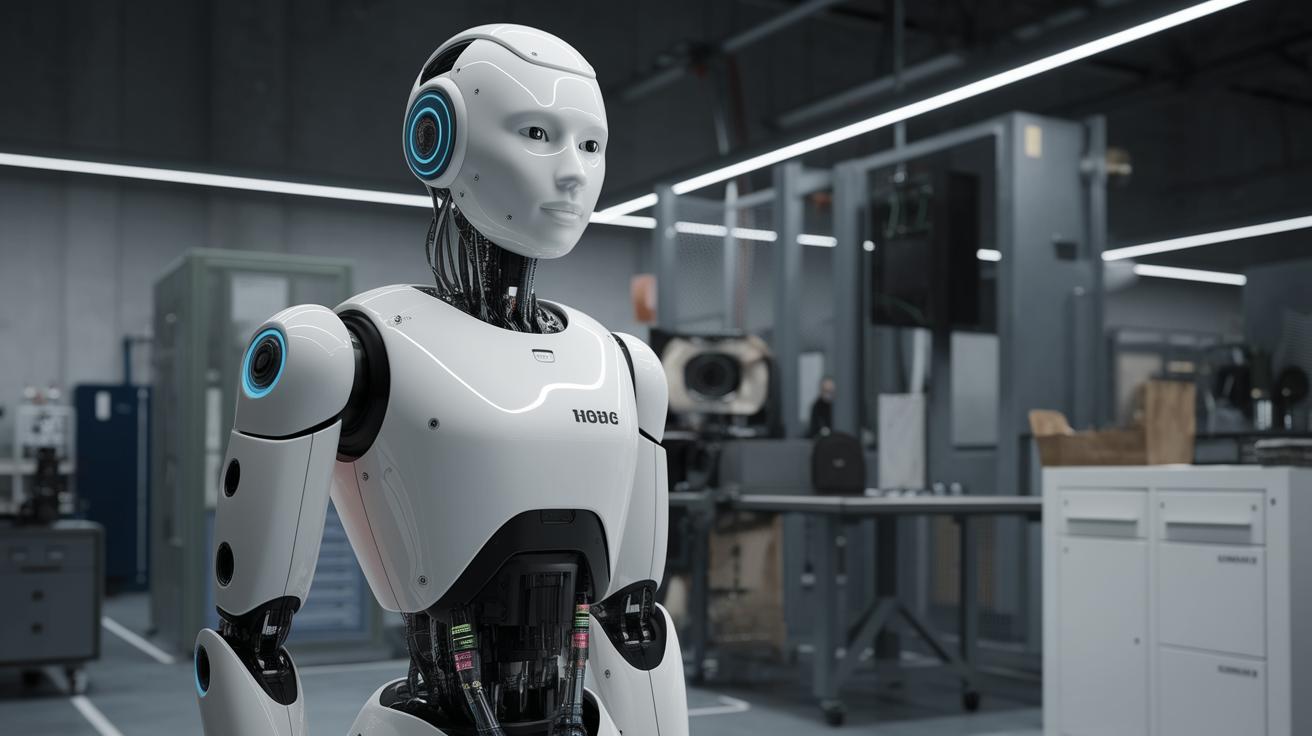
How Robotic Automation is Affecting Global Trade
In recent years, robotic automation has significantly reshaped the landscape of global trade. As technology advances, industries around the world are integrating robotics to enhance productivity, reduce costs, and improve overall efficiency. This dynamic shift has far-reaching implications on manufacturing processes, workforce dynamics, and international trade patterns. This blog post delves into the features and applications of robotic automation, its impact on the global supply chain, and the emerging trends that are redefining the global market. By understanding these developments, businesses and policymakers can better navigate the challenges and opportunities presented by this technological revolution.
Features & Lists
Robotic automation covers a broad spectrum of technologies that are revolutionizing various sectors. Key features include precision, efficiency, and the ability to operate around the clock without fatigue. Robots can perform repetitive tasks with a high degree of accuracy, making them invaluable in manufacturing, logistics, and distribution. With advancements in artificial intelligence, modern robots can learn and adapt, further increasing their effectiveness in complex tasks.
The applications of robotic automation are diverse. In manufacturing, robots assemble parts, weld components, and even conduct quality inspections. In warehouses, they sort packages and manage inventory with speed and precision. Furthermore, automated systems have become integral to the functioning of global supply chains, facilitating faster, more reliable delivery of goods. This transformation fundamentally changes how goods are produced, stored, and shipped, impacting global trade dynamics.
Share this:
The rise of robotic automation has significant implications for the global workforce. On one hand, automation drives efficiency and lowers production costs, providing companies with a competitive edge in international markets. On the other hand, it raises concerns about job displacement, as robots replace routine manual labor. This technological shift necessitates a reevaluation of workforce skills and a focus on upskilling and reskilling initiatives to ensure workers remain relevant in the evolving job market.
While robotics can lead to job displacement in certain industries, it also creates new opportunities in fields like robotics maintenance, AI development, and data analysis. Moreover, as businesses seek to leverage automation technology, demand for skilled workers to manage and optimize these systems increases. Policymakers and educational institutions must collaborate to equip the workforce with the skills needed to adapt to the changing economic landscape and boost job resilience.
Comments
The integration of robotic automation into the global supply chain significantly impacts trade patterns. With robots enabling faster production and turnaround times, companies can meet international demand more efficiently and flexibly. This change reduces the reliance on large inventories and warehousing, allowing businesses to operate on a just-in-time basis. Consequently, supply chains become more responsive and cost-effective, fostering increased trade activity.
Moreover, automation reduces human error, leading to improved product quality and consistency. This reliability is crucial in maintaining competitive trade relations, as consistency strengthens brand reputation and customer trust. Businesses that embrace robotic automation can enhance their export potential and better adapt to fluctuating market demands. As countries compete to adopt these technologies, the global trade landscape is experiencing a shift towards automation-friendly economies.
Leave a Reply Cancel reply
Innovation in robotics is continually advancing, introducing new trends in global trade. Collaborative robots or “cobots” are designed to work alongside humans, enhancing productivity while ensuring safety. These cobots are being increasingly used in sectors such as automotive and electronics, where precision and adaptability are essential. As automation technology becomes more accessible, smaller enterprises also gain the ability to compete on a global scale.
Another emerging trend is the integration of Internet of Things (IoT) with robotics. IoT technology enables interconnected devices to communicate and optimize performance in real-time, leading to more efficient supply chains and dynamic trade processes. Furthermore, automation supports sustainability by minimizing waste and optimizing resource usage. Robotic systems powered by renewable energy can further reduce the carbon footprint of production and logistics, appealing to environmentally conscious consumers and partners.
Top Stories.
The ongoing evolution of robotics in trade prompts a reassessment of international economic policies and regulations. Countries that are quick to adopt and innovate in automation technology can strengthen their position in the global market, leading to shifts in economic power. This competition encourages governments to invest in research and development and foster environments conducive to technological advancement.
Furthermore, international trade agreements may need to be revisited to address the impacts of robotic automation on tariffs, labor laws, and market access. As technological capabilities advance, nations must ensure that regulations remain fair and viable, supporting innovation without stifling competition. Global cooperation, combined with strategic national policies, will be crucial in navigating the transformation of trade brought about by automation.
Summary of main points
| Key Aspects | Details |
|---|---|
| Features & Applications of Robotic Automation | Precision, efficiency, 24/7 operation, applications in manufacturing and supply chains. |
| Impact on Workforce | Efficiency gains vs job displacement, need for upskilling and reskilling. |
| Supply Chain and Trade Patterns | Faster production, reduced errors, enhanced export potential. |
| Emerging Trends | Cobots, IoT integration, sustainability focus in automation. |
| Global Economic Implications | Increased competition, policy and regulatory reassessment. |