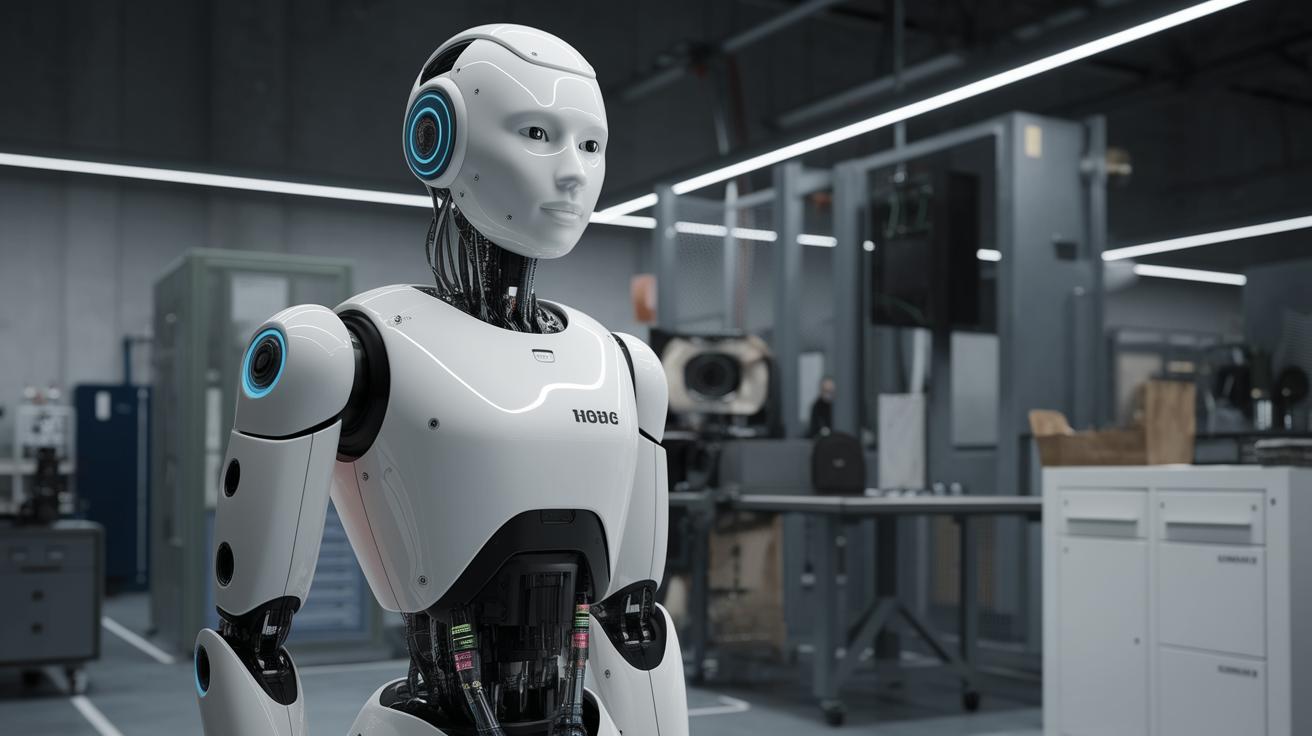
How Robotics is Enhancing Manufacturing Processes
Introduction
In today’s fast-paced world, manufacturing processes are continually evolving, powered by the integration of cutting-edge technologies. One such transformative force is robotics. The modern era of industrial robotics is creating waves across the manufacturing sector, offering increased efficiency, productivity, and innovation. This blog post delves into the emergence and evolution of industrial robotics, highlighting their impact on efficiency, quality control, and sustainability. We will also explore the challenges and opportunities in robotics adoption, and how companies like Equans are advancing in this dynamic field.
Understanding Industrial Robotics
Industrial Robotics: From Mechanical Robotics to Intelligent Automation
Industrial robotics have transitioned from simple mechanical arms designed for repetitive tasks to complex, intelligent systems capable of executing a variety of operations with great precision. As technology advances, these robots are equipped with AI and machine learning capabilities, making them adaptable and versatile in different manufacturing environments. This has allowed for the automation of complex processes that were once reliant on human intervention.
This shift to intelligent automation is accelerating innovation within industries, enabling manufacturers to achieve higher levels of efficiency and consistency. With robots taking on more sophisticated roles, industries are better positioned to meet growing demands and address complex logistical challenges, paving the way for a new era of manufacturing excellence.
The Importance of Robotic Integration
Integrating robotics into manufacturing processes is not merely about replacing human labor; it is about augmenting capabilities and creating synergies that optimize productivity. Robotics integration requires a strategic approach that aligns with organizational goals, ensuring that the workforce is adequately trained to work alongside these advanced machines.
Robotic integration also involves a thorough analysis of existing processes to identify areas where automation can add the most value. By strategically implementing robotics, businesses can streamline operations, reduce waste, and enhance overall resource management, leading to more sustainable and cost-effective production methods.
The Impact of Robotics on Efficient and Ethical Manufacturing
Efficiency and Productivity Improvements
The deployment of robotics in manufacturing significantly boosts operational efficiency by accelerating production cycles and reducing lead times. Robots accomplish this by operating tirelessly and with consistent precision. Unlike human labor, robots do not require breaks, thereby maximizing uptime and throughput.
This technological leap forward has allowed companies to scale their operations and meet market demands effectively. By enhancing productivity, robots also enable businesses to produce goods at a lower cost, often resulting in cheaper end-products for consumers, thus fostering both economic growth and competitive advantage.
Equans Case Study
Equans, a leader in energy and services, has been at the forefront of integrating robotics in its operations. By adopting state-of-the-art robotic solutions, Equans has demonstrated significant improvements in productivity and energy efficiency across their projects. Their approach towards embedding robotics into their workflow has set a benchmark for how businesses can leverage technology for sustainable growth.
Through strategic partnerships and a keen focus on research and development, Equans not only enhances its production capabilities but also ensures its operations align with stringent ethical standards and sustainability principles, showcasing the vital role of robotics in modern manufacturing environments.
Robotics Role in Improving Quality Control
Adaptability and Flexibility
One of the significant advantages of modern robotics is their adaptability and flexibility in quality control. Robots can be programmed to handle a variety of tasks, continually adjusting to new parameters without the need for significant downtime or recalibration. This adaptability is crucial in industries where rapid product turnarounds are essential.
By maintaining consistent quality standards without human errors, robotics improve overall product integrity. This consistency ensures that companies not only meet but exceed regulatory standards and consumer expectations, leading to enhanced brand reputation and customer satisfaction.
Reducing Risks for Workers
Robotics play a pivotal role in mitigating risks associated with manual quality control processes. By assuming roles that are hazardous or monotonous for human workers, robots significantly reduce workplace accidents and health hazards.
As robots take on these roles, human workers can engage in tasks that demand creativity and decision-making, fostering a safer and more stimulating work environment. This shift not only protects the workforce but also promotes employee well-being and job satisfaction, highlighting an ethical approach to manufacturing.
Robotics and Environmental Challenges
How Does Robotics Contribute to the Environmental Aspect of Reindustrialisation?
Robotics play a crucial role in promoting environmentally friendly reindustrialization by enabling precision in manufacturing processes, which results in minimal waste production. Robots can optimize resource utilization, ensuring that materials are used efficiently, thus reducing the environmental footprint of manufacturing activities.
Furthermore, robotics contribute to the development of green technologies by facilitating the production of sustainable products. By streamlining processes and reducing resource consumption, robotics align with global sustainability goals, helping industries transition towards eco-friendly practices.
The Role of Robotics in Sustainable Manufacturing Practice
Sustainable manufacturing practices are increasingly at the forefront of industrial agendas, and robotics play a transformative role in this domain. By enabling energy-efficient processes and reducing reliance on non-renewable resources, robotics align with environmental regulations and help industries move towards a sustainable future.
The implementation of robotics also supports circular economy models by maximizing material use, reducing waste, and allowing for better product lifecycle management. This marks a shift towards production systems that are not just economically viable but also environmentally responsible.
Main Trends and Future Development in Industrial Robotics
The landscape of industrial robotics is continuously evolving, with trends pointing towards more collaborative and intelligent robotic systems. Developments in AI and machine learning are leading to smarter robots capable of working alongside humans, enhancing capabilities through dynamic interaction.
Future advancements will likely focus on hyper-automation and integrated AI to further boost efficiency. As robotics technology evolves, manufacturers will harness these innovations to achieve unprecedented levels of productivity, adaptability, and sustainability in their operations.
Challenges and Opportunities in Robotics Adoption
Equans’ Expertise in Robotics Integration
Equans has demonstrated noteworthy expertise in the adoption and integration of robotics within their operations. By focusing on strategic partnerships and R&D, Equans has successfully navigated the challenges of robotics adoption, such as high initial costs and the need for specialized workforce training.
Capitalizing on these opportunities, Equans continues to push the boundaries of what robotics can achieve, ensuring their technological implementations align with both business strategies and sustainable practices. Their experience underscores the competitive edge that can be gained through adept robotics integration.
Staying Competitive with Robotics
In the competitive landscape of modern manufacturing, staying ahead requires continuous innovation and adaptation. Robotics provide the tools necessary to maintain a leading edge by enhancing speed, efficiency, and quality of production. Companies that embrace these technologies not only improve their operational capabilities but also position themselves as market leaders.
The ability to integrate advanced robotics into manufacturing processes also fosters collaboration between humans and machines, leading to a more agile and responsive production environment. By staying competitive with robotics, businesses open new avenues for growth and development in an ever-evolving industrial landscape.
Discover Equans’ Latest News
The Digital Hospital
Equans is exploring innovative solutions for the healthcare sector through the concept of the Digital Hospital. By utilizing robotics and digital technologies, Equans aims to enhance patient care and streamline hospital operations, setting a new standard for healthcare services.
These efforts underscore the potential of technology to revolutionize not just manufacturing but also sectors that significantly impact human well-being, showcasing the broader applicability of robotics in diverse fields.
Bridging the Climate Leadership Gap in the Wake of COP29
At the forefront of environmental sustainability, Equans is taking initiatives to bridge the climate leadership gap post-COP29. By integrating robotics to enhance energy efficiency and reduce emissions, Equans is committed to being a pioneer in climate action and leadership.
Their efforts demonstrate a proactive stance towards creating a sustainable future, both through technological advancements and responsible corporate practices, reinforcing the potential for robotics to drive environmental change.
Low-Carbon Electrification: A Pragmatic Path Towards a Sustainable Future
Equans strongly advocates for low-carbon electrification as a viable pathway towards a sustainable future. By leveraging their expertise in robotics and energy solutions, they aim to reduce carbon footprints and drive the transition towards renewable energy sources.
This initiative reflects the strategic integration of technology to foster a more sustainable industrial ecosystem, highlighting the importance of innovation in achieving long-term environmental goals.
What Are Industrial Heat Pumps and How Do They Work?
Equans has delved into the realm of industrial heat pumps, exploring their functioning and benefits. By using robotics in the development and deployment of heat pumps, Equans promotes efficient energy use and operational excellence.
Understanding how these systems work enables industries to optimize their energy consumption, illustrating the crucial role robotics play in advancing more sustainable and efficient manufacturing practices.
You Have Needs?
Equans continues to push boundaries in innovation and sustainability. If your enterprise seeks to integrate advanced robotics or sustainable practices, Equans is equipped with the expertise to meet your needs. Embracing technology not only propels efficiency but also aligns with global sustainability efforts, ensuring competitive advantage in the ever-changing industrial landscape.
Final Thoughts
| Sections | Key Points |
|---|---|
| Introduction | Overview of robotics’ transformative impact on manufacturing processes. |
| Understanding Industrial Robotics | Evolution from mechanical to intelligent automation and the strategic importance of integration. |
| Impact on Efficient and Ethical Manufacturing | Efficiency gains, productivity improvements, and an Equans case study. |
| Role in Improving Quality Control | Adaptability, flexibility, reducing workplace risks, and enhancing product quality. |
| Environmental Challenges | Robotics’ contribution to sustainable practices and minimizing environmental footprints. |
| Challenges and Opportunities | Equans’ role in overcoming robotics adoption challenges and capitalizing on opportunities. |
| Competitive Edge with Robotics | Maintaining a competitive advantage through innovation and adaptation. |
| Equans’ Latest News | Digital Hospital, climate leadership, low-carbon initiatives, and industrial heat pumps insights. |