The Application of Robotics in Smart Home Devices
In recent years, smart homes have become increasingly sophisticated, with robotics playing a pivotal role in the transformation of home environments. Robotics and home automation have converged to offer enhanced comfort, safety, and functionality for individuals. This blog post explores the various aspects of smart home technology, focusing on how robotics are applied to achieve greater security, control, and convenience. From automating temperature and lighting to integrating advanced security systems, we delve into the innovative ways smart homes are evolving. We also discuss the challenges faced in the adoption of these technologies and provide insights into the benefits they bring. Dive into the world of robotics in smart homes and discover how these technologies can revolutionize daily living.
What is Home Automation?
Home automation refers to the use of technology to control and manage various household functions and features. It involves the centralized control of lighting, heating, air conditioning, and security systems, among others, through user-friendly interfaces and intelligent management systems.
With the advent of advanced technologies such as the Internet of Things (IoT) and artificial intelligence, home automation has become more accessible and affordable, paving the way for more intelligent and responsive homes. Home automation provides homeowners with the ability to streamline everyday tasks and significantly enhances the quality of life by bringing convenience, efficiency, and energy savings.
Smart Home Application
The application of smart home technology is varied and extensive, with robotics playing a crucial role. Smart home applications often involve interconnected devices that communicate with one another to optimize operations within the home. These applications can range from simple automation tasks like turning on lights automatically when entering a room to more complex functions such as managing energy consumption across multiple devices.
One of the main advantages of smart home applications is their ability to integrate with existing home systems, making upgrades seamless and efficient. By using home automation, homeowners can enjoy added convenience, enhanced safety, and improved energy efficiency. Notably, smart home applications are customizable, allowing homeowners to tailor their systems to meet varying needs and preferences.
Smart Homes are Using Robots that Offer Huge Benefits for People that Want to Enjoy Greater Security and Comfort.
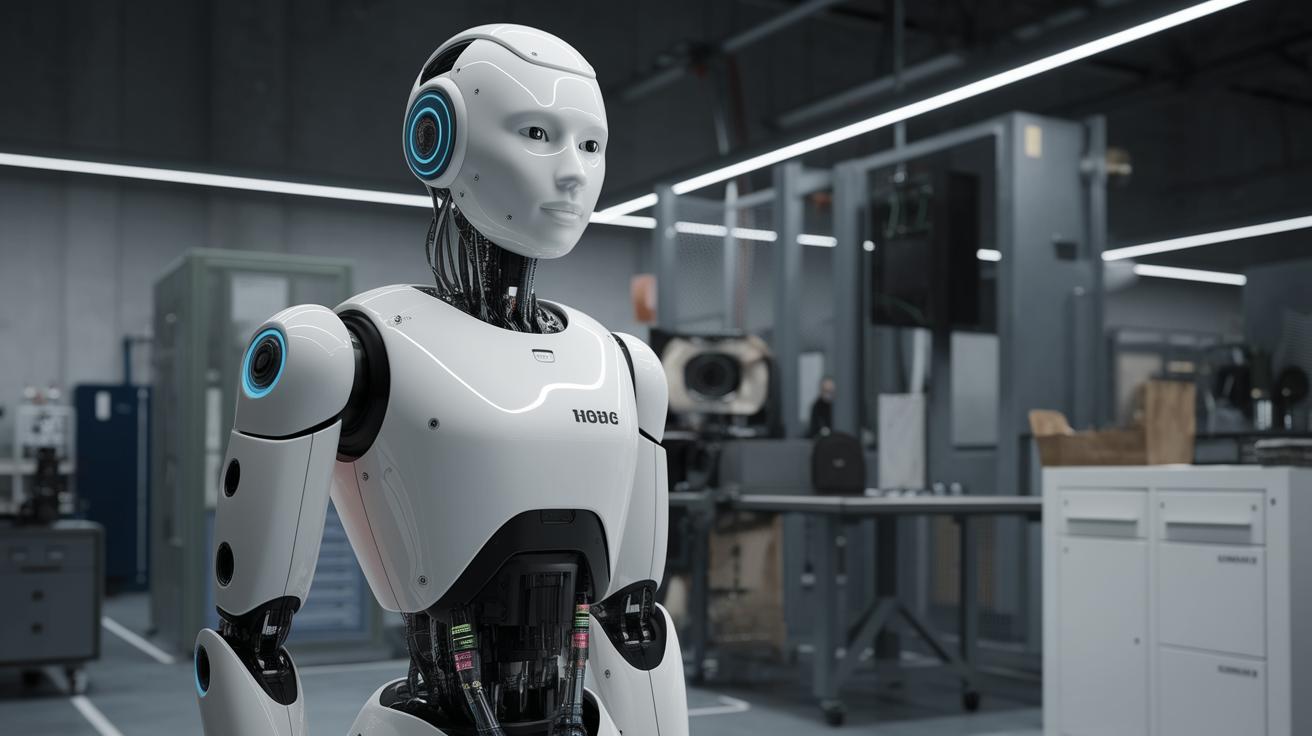
Robotics in smart homes offer substantial benefits, notably in providing enhanced security and comfort. Robots in smart homes can perform tasks such as monitoring the premises for unusual activities or assisting individuals with mobility challenges. These robots can act as personal assistants, helping with day-to-day chores or offering entertainment.
Moreover, robots contribute to increased safety by ensuring that the home environment is constantly monitored and any potential threats are detected and responded to promptly. For instance, robotic vacuum cleaners can ensure a clean and hygienic environment by regularly cleaning floors without the need for human intervention. This blend of functionality and convenience makes robotics an invaluable part of modern smart homes.
Controlling IoT Devices
The control of IoT devices is an essential aspect of modern smart homes. Using robotics, these devices can be managed effectively, ensuring seamless interaction and coordination across various home systems. Robotics contribute to the efficient operation of IoT devices by providing centralized control that enhances system integration and functionality.
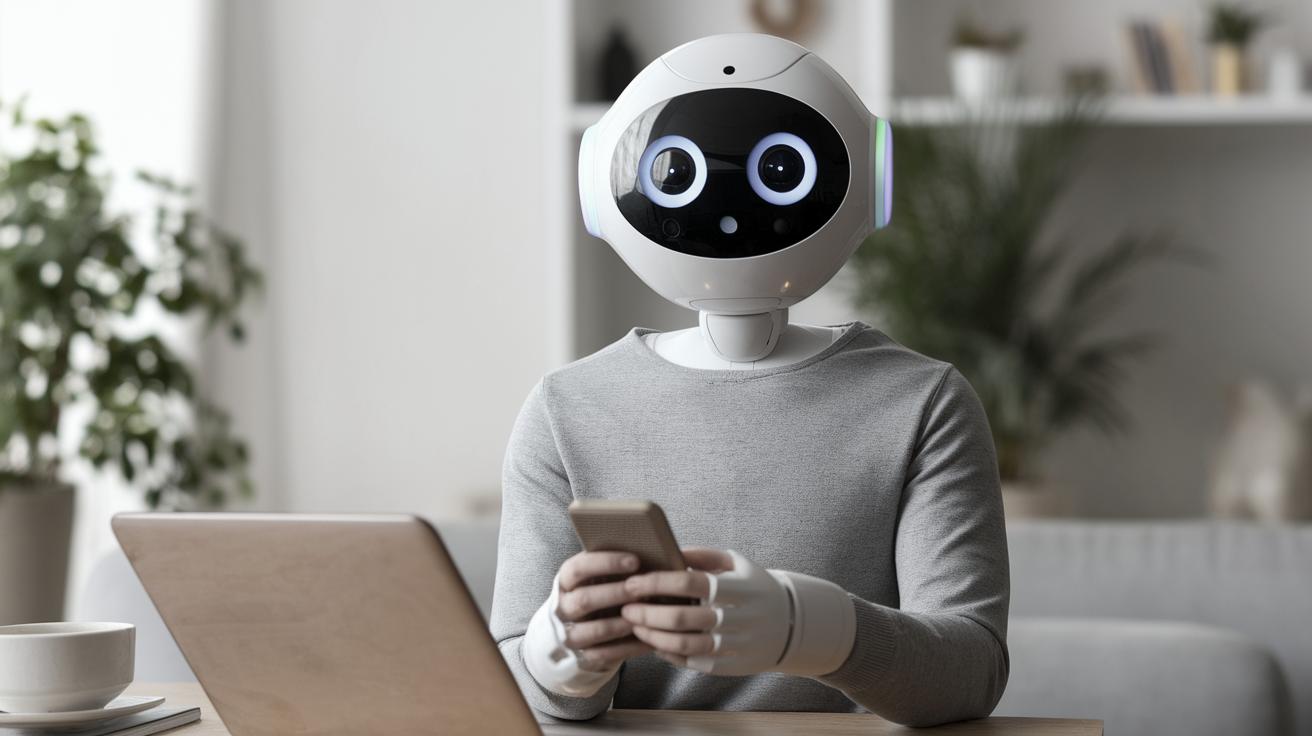
With robotics, homeowners can effortlessly control IoT devices through voice commands, mobile apps, or smart controllers. This ability to manage devices from a remote distance offers unparalleled convenience and flexibility, allowing users to interact with their smart home systems even when away from home. Robotics thus ensure that IoT devices operate optimally, providing a cohesive smart home ecosystem.
Temperature and Lighting
Automated temperature and lighting systems are significant components of smart homes, made even more efficient through robotics. By employing smart thermostats and lighting systems, homes can adjust heating, cooling, and brightness levels based on occupancy and user preferences without manual intervention.
With robotic control, these systems can learn the habits and preferences of homeowners, leading to optimized energy usage and enhanced comfort. For example, rooms can be kept at preferred temperatures throughout the day, and lights can be dimmed or turned off when not in use, all contributing to energy savings and improved living experiences.
Entertainment Systems
Entertainment systems in smart homes have evolved through the integration of robotics, bringing immersive experiences and convenience. Robotic components can manage multimedia devices, utilizing voice commands or automation schedules to ensure devices are appropriately powered on or off and adjusted to suit user preferences.
Additionally, robotic systems can integrate various entertainment platforms for seamless operation, ensuring that users can easily switch between different media sources or adjust sound levels in various rooms. This flexibility and ease of control enhance the overall enjoyment and personalization of home entertainment systems.
Automated Home Security
Security is a paramount concern in modern homes, where robotics plays a crucial role in enhancing surveillance and safeguarding. Automated security systems utilize robotics to offer real-time monitoring and quick response to any security threats, providing homeowners with peace of mind.
These security systems can include features such as cameras, motion detectors, and alarm systems that are all interlinked for seamless operation. With robotic capabilities, these systems can be programmed to execute specific actions when potential threats are identified, such as alerting homeowners, notifying authorities, or capturing video evidence for later review.
Robotics vs Automation
There is often confusion between robotics and automation, particularly in the context of smart homes. While both concepts aim to enhance efficiency, they differ in functionality and scope. Robotics involves the creation and use of robots to handle tasks typically performed by humans, while automation refers to using technology to automate specific processes without human intervention.
In smart homes, robotics often implies devices that not only automate a task but can also learn and adapt, exhibiting some level of intelligence. On the other hand, automation focuses on executing tasks according to pre-set rules and procedures, relying on sensor inputs and preset schedules to operate systems within a home.
Robotics Application
The applications of robotics in smart homes are diverse and continue to grow as technology advances. Robots can assist with everyday tasks such as cleaning, cooking, and even elderly care, providing assistance and support where needed. The integration of advanced sensors and AI allows these robots to perform tasks with precision and adaptability.
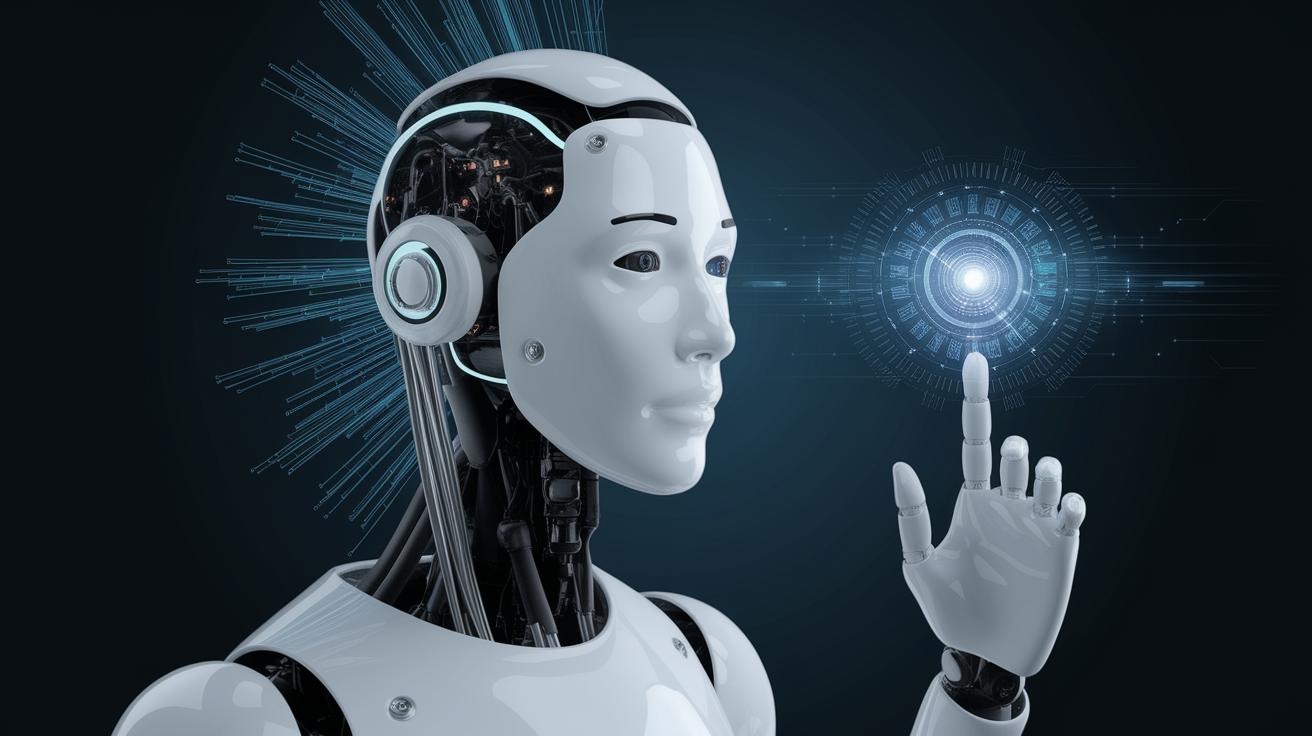
An emerging trend in robotics application is the development of personal assistant robots that can interact with humans more naturally, offering new possibilities for enhancing human-machine interactions in smart homes. As robotics technology continues to advance, more innovative applications are likely to emerge, further enriching smart home ecosystems.
Robotics and Automation Challenges
While the integration of robotics and automation in smart homes brings numerous benefits, it also poses significant challenges. Technical issues such as system interoperability, data security, and privacy concerns are critical considerations. Ensuring that systems can communicate with each other effectively is crucial for realizing the full potential of smart home technology.
Furthermore, there are often concerns regarding the initial cost of setting up robotics and automation systems, which can be prohibitive for some homeowners. As technology continues to evolve, mitigating these challenges through standardization, cost reduction and improving user-friendliness will be vital.
Final Words.
The incorporation of robotics in smart homes is revolutionizing the way we interact with our living spaces. With an emphasis on automation, safety, and comfort, these technologies create efficient and adaptable environments. As the field continues to develop, staying informed about advancements and challenges will be essential for leveraging the full potential of smart home technology.
| Section | Summary |
|---|---|
| What is Home Automation? | An overview of home automation and its benefits in enhancing daily life. |
| Smart Home Application | Discussion on the varied applications and advantages of smart home technologies. |
| Smart Homes and Robotics Benefits | Exploration of how robots provide security and comfort in smart homes. |
| Controlling IoT Devices | Insight into the use of robotics for managing interconnected smart home devices. |
| Temperature and Lighting | Focus on automated systems for regulating home temperature and lighting. |
| Entertainment Systems | How robotics enhance the control and personalization of home entertainment. |
| Automated Home Security | The role of robotics in advancing home security through automation. |
| Robotics vs. Automation | Clarification on the difference and relationship between robotics and automation. |
| Robotics Application | Exploration of diverse robotic applications within smart homes. |
| Robotics and Automation Challenges | Considerations of the challenges faced in integrating these technologies. |
| Final Words | Concluding thoughts on the impact and future of robotics in smart homes. |