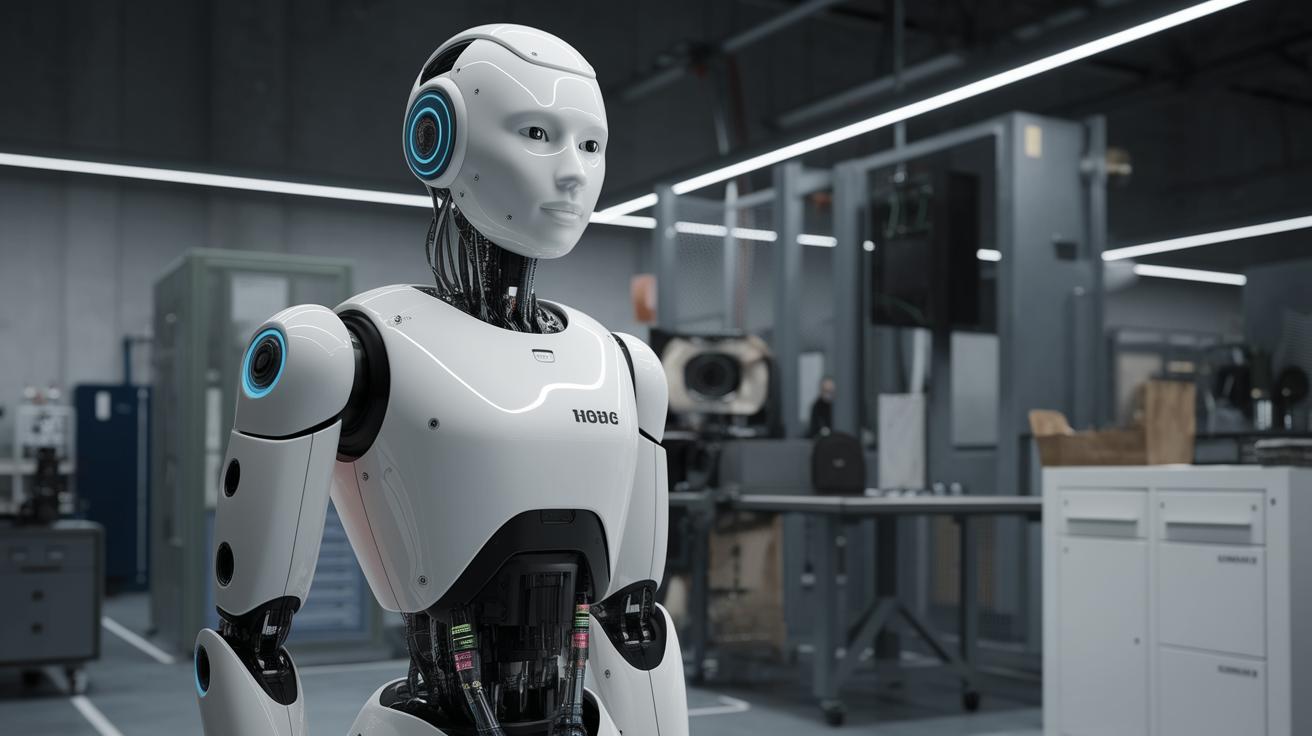
How Robots Are Used in Disaster Recovery
In today’s rapidly advancing technological landscape, robots have become invaluable tools in disaster recovery efforts globally. From natural catastrophes like earthquakes and floods to man-made crises, robotic technologies play a pivotal role in enhancing the effectiveness and safety of rescue missions. This comprehensive overview delves into the various types of rescue robots, including water, search and rescue, earthquake and fire, and aerial robots. It will highlight the innovations these technologies bring to crisis environments, showcasing contributions from companies and research institutions such as Boston Dynamics, Lockheed Martin, and Carnegie Mellon University. Additionally, common questions about rescue robots are addressed, providing a thorough understanding of their importance in modern disaster scenarios and hinting at promising future developments.
Types of Rescue Robots
Rescue robots can be categorized based on their operational environment and functionality. Each type plays a distinct role in facilitating rescue operations during different types of disasters. From navigating treacherous waters to searching through rubble and debris, these robots are engineered to withstand extreme conditions and perform critical tasks that can reduce risks to human rescuers and improve the chances of saving lives.
The rapid advancements in robotics have ushered in a new era of enhancements in disaster recovery. Technologies including AI, machine learning, and sensor integration have vastly improved the effectiveness of rescue robots. These machines are often equipped with high-definition cameras, thermal imaging, and other sophisticated tools that aid in locating victims and assessing the environment, enabling quicker and more accurate decision-making in crisis situations.
Water Rescue Robots
Pliant Energy Systems
Pliant Energy Systems has developed innovative robots capable of maneuvering water environments efficiently. Their amphibious machines are designed to assist in situations such as flood rescues or oceanic disasters. These robots employ undulating fins for propulsion, which allows for smooth navigation even in challenging water currents. Such mobility is crucial in reaching stranded individuals and transporting necessary supplies across bodies of water.
These robots are particularly effective in scenarios where conventional boats or human efforts might be hindered by dangerous conditions. Their unique physical agility enables them to operate in both water and muddy terrains, expanding their utility across diverse aquatic disaster scenarios. The blend of flexibility and durability makes them an essential tool in water-based rescues, paving the way for safer and more efficient operations.
Hydronalix
Hydronalix’s rescue robots, such as the EMILY (Emergency Integrated Lifesaving Lanyard), are revolutionizing water rescue operations around the world. These autonomous robotic devices can traverse rough waters and deliver flotation devices to those in need. EMILY is specifically engineered to weather harsh marine environments, demonstrating superior resistance to saltwater corrosion and turbulence.
Deployed in a number of international rescue missions, EMILY has saved countless lives by ensuring rapid response times and delivering life-saving equipment to survivors effectively. The utilization of such technological innovations not only optimizes rescue missions but also significantly reduces risks to human life, demonstrating the significant impact robotics can have in challenging situations.
VideoRay
VideoRay focuses on creating compact, remotely operated vehicles (ROVs) used in underwater inspections and rescues. These robots are integral in search and recovery missions in water bodies, providing high-resolution video footage and data to rescuers above water. VideoRay’s technology is often utilized to inspect shipwrecks, locate drowning victims, and assess structural integrity in underwater scenarios.
Equipped with an array of sensors, including sonar and GPS, VideoRay’s ROVs are adept at navigating complex underwater environments, making them indispensable in locating and rescuing individuals who are lost or trapped beneath the surface. Illustrating the pivotal role of robotics in aquatic rescues, these innovations represent a significant leap in remote operation capabilities and real-time data transfer.
Search and Rescue Robots
Boston Dynamics
Boston Dynamics has spearheaded advancements in search and rescue robotics with its highly versatile models like Spot, the agile and intelligent robot dog. Equipped with advanced sensors and cameras, Spot navigates through difficult terrains, proving instrumental in search and rescue missions across collapsed buildings or hazardous environments. The robot’s prowess in obstacle avoidance and environment scanning aids rescuers in strategizing and executing more efficient search operations.
The decentralized control architecture allows Spot to operate semi-autonomously, independently traversing complex landscapes, which is beneficial during the initial assessment phases of a disaster site. Its ability to integrate with various payloads such as LIDAR or chemical sensors further enhances its utility in disaster-stricken regions, fostering safer and faster victim location efforts.
Teledyne FLIR
Teledyne FLIR combines thermal imaging and situational awareness in its rescue robots, essential for detecting human presence in obscure or smoke-filled environments. This capability is particularly vital during nighttime operations or in scenarios with visibility constraints, such as fires or dense fog. Thermal imaging provides an advantage in quickly locating survivors, drastically cutting down response times.
Search and rescue robots utilizing FLIR technology can transmit critical infrared imagery to operators, improving their situational awareness and assisting in fast decision-making. These robots can efficiently scout large areas with limited visibility, making them an invaluable aid in scenarios where direct human intervention is challenging or dangerous.
DEEP Robotics
DEEP Robotics has developed quadruped robots adept at navigating through debris and uneven terrains, crucial for search and rescue missions following earthquakes or landslides. These robots are designed to carry sensors and communication devices, providing rescuers with real-time data and visuals from challenging-to-access locations.
Their robust design ensures continuity of operations even in hostile environments. By deploying DEEP Robotics’ solutions, rescue teams can acquire critical information regarding the condition of the site or the location of trapped victims without risking human lives, ultimately leading to enhanced rescue strategies and successful recovery missions.
Earthquake and Fire Robots
Howe & Howe Technologies
Howe & Howe Technologies have introduced track-based robots, like their Thermite series, specifically tailored for firefighting and rescue operations in earthquake-stricken areas. These robots are engineered to withstand extreme heat and debris, autonomously maneuvering through dangerous environments to provide crucial support services such as fire suppression and victim transport.
Thermite robots can safely venture where human firefighters cannot, using high-powered water cannons to extinguish flames and clear debris. Such capabilities afford first responders critical time and safety during emergency operations, underscoring the life-saving potential of robotics in dealing with a dual threat of fire and structural collapse.
Shark Robotics
Shark Robotics is known for the design of their Colossus Robot, employed by fire departments across Europe. This robust robot navigates through smoke-filled, fiery environments where human operators are at significant risk. Colossus can carry heavy loads and transport equipment and injured personnel, providing pivotal support during complex firefighting missions.
With its high thermal resistance and radio-controlled functionality, the Colossus Robot stands as an example of cutting-edge technology in robotic firefighting efforts. It embodies the potential for robotics to act as both a shield and support for human firefighters, facilitating risk mitigation during perilous disaster interventions.
Carnegie Mellon University
At Carnegie Mellon University, innovations in disaster robotics focus on developing algorithms and systems that enhance autonomous operation capabilities. Their research often explores multi-robot systems where collaborative units work in tandem to manage large-scale disaster scenarios effectively.
Leveraging AI-powered operation, these research-driven robots perform complex computational tasks to map environments, locate survivors, and even predict the structural integrity of compromised buildings. Such academia-driven advances contribute significant theoretical and practical solutions to real-world disaster recovery challenges, reaffirming the pivotal role of education and research in pushing technological boundaries.
Aerial Rescue Robots
Lockheed Martin
Lockheed Martin has been at the forefront of developing unmanned aerial systems designed for search and rescue operations. Their drones are equipped with sophisticated imaging and sensor technologies that provide high-resolution overviews of disaster sites, assisting in the efficient allocation of rescue resources and personnel.
In addition to their on-site surveillance capabilities, these drones can deliver medical supplies, food, and communication devices to isolated or stranded survivors, thereby acting as vital links between disaster areas and operational bases. Their quick deployment and overhead reconnaissance abilities amplify the effectiveness of ground-based rescue teams, ensuring comprehensive disaster management.
Wyss Institute at Harvard University
The Wyss Institute has pioneered the development of aerial robots capable of performing intricate search and rescue operations. These drones are designed to autonomously navigate through cluttered environments indoors and outdoors, making them essential tools in urban disaster scenarios.
The integration of AI for obstacle avoidance and target tracking takes these aerial robots to new heights of operational efficiency. Their compact design and agile flight capabilities mean they can cover extensive areas quickly, gathering essential intelligence and providing strategic insights to rescue coordinators operating in dynamic, high-pressure environments.
Ripper Corporation
The Ripper Corporation specializes in deploying drones for coastal and marine environments. Their lifeguarding drones are notable for rapid responses to drowning incidents or near-shore emergencies where speed is of the essence. Equipped with loudspeakers and flotation devices, these drones can provide immediate aid even before lifeguards reach the site.
The swift response facilitated by Ripper’s aerial robots showcases how aerial technology can significantly reduce response times, minimize risks, and augment the capabilities of traditional rescue teams. This emphasizes a growing trend towards integrating aerial robotic assistance in water-based rescue operations worldwide.
Frequently Asked Questions
What are rescue robots used for?
Rescue robots are utilized in disaster scenarios to locate and rescue trapped or stranded individuals, assess hazardous environments, and perform medium to high-risk operations that would be dangerous for human rescuers. They are designed to enhance the speed, efficiency, and safety of disaster recovery efforts by operating in extreme conditions that impede or endanger human intervention.
What are the different types of search and rescue robots?
Search and rescue robots come in various forms, including ground robots that navigate debris, aerial drones providing real-time site analysis from above, and underwater robots tasked with completing missions in aquatic environments. They often incorporate advanced technologies such as sensors, AI systems, and teleoperation to improve their functionality and performance during disaster recovery missions.
What are the disadvantages of rescue robots?
While rescue robots offer substantial benefits, they also pose challenges such as high costs, operational complexity, and a need for skilled operators. Technical limitations like battery life, signal interference, and navigation difficulties in unpredictable environments can impede their effectiveness. Furthermore, the integration and interoperability of robots within existing disaster response frameworks continue to be areas needing refinement.
What robots help in natural disasters?
Robots that are designed for natural disasters include autonomous drones for aerial surveying, ground robots to comb through debris fields, and specialized aquatic robots for flood or tsunami scenarios. These robots leverage technologies adapted to specific disaster types, enhancing the potential for successful rescues and timely recoveries in a variety of natural catastrophes.
Future Prospects
| Robot Type | Example Companies/Institutions | Primary Functions |
|---|---|---|
| Water Rescue Robots | Pliant Energy Systems, Hydronalix, VideoRay | Navigate and perform rescues in aquatic environments |
| Search and Rescue Robots | Boston Dynamics, Teledyne FLIR, DEEP Robotics | Locate survivors and provide data from rubble or hazardous conditions |
| Earthquake and Fire Robots | Howe & Howe Technologies, Shark Robotics, Carnegie Mellon University | Firefighting, transport, and navigation in debris |
| Aerial Rescue Robots | Lockheed Martin, Wyss Institute, Ripper Corporation | Aerial observation, supply delivery, coastal rescues |