Essential Components of Intelligent Machines
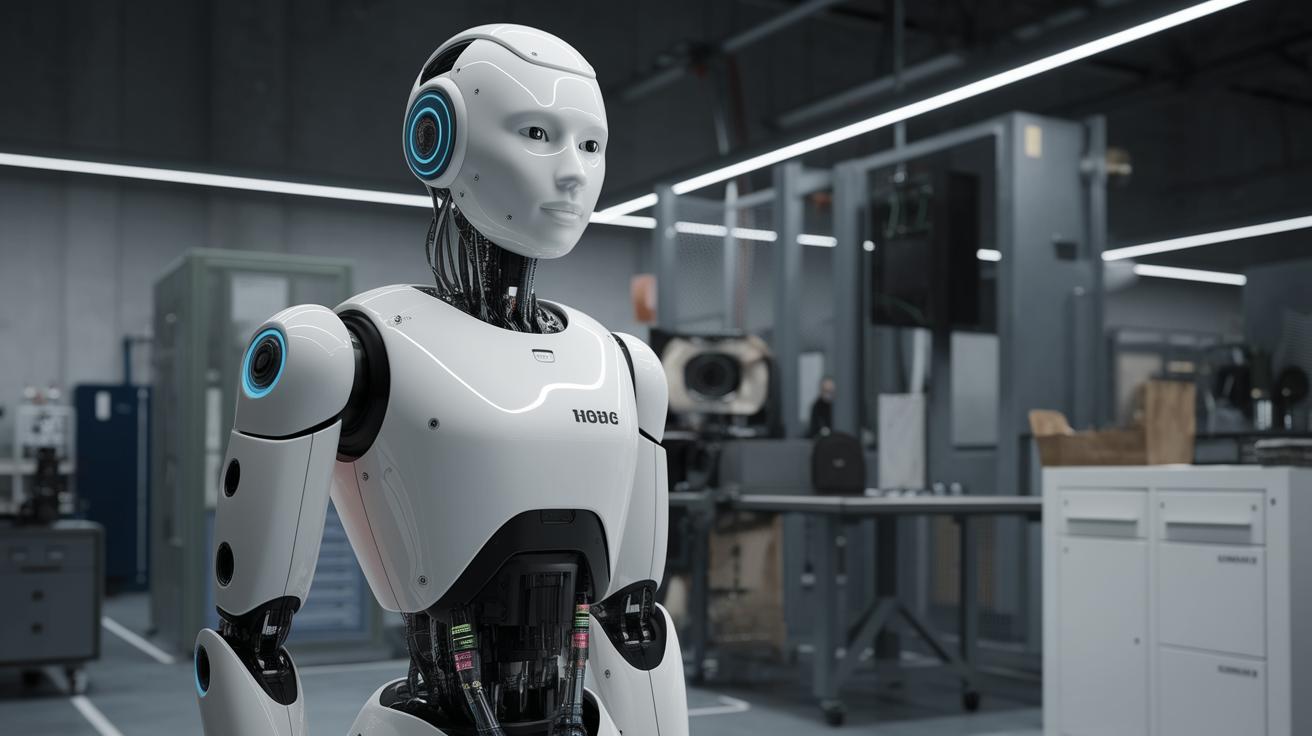
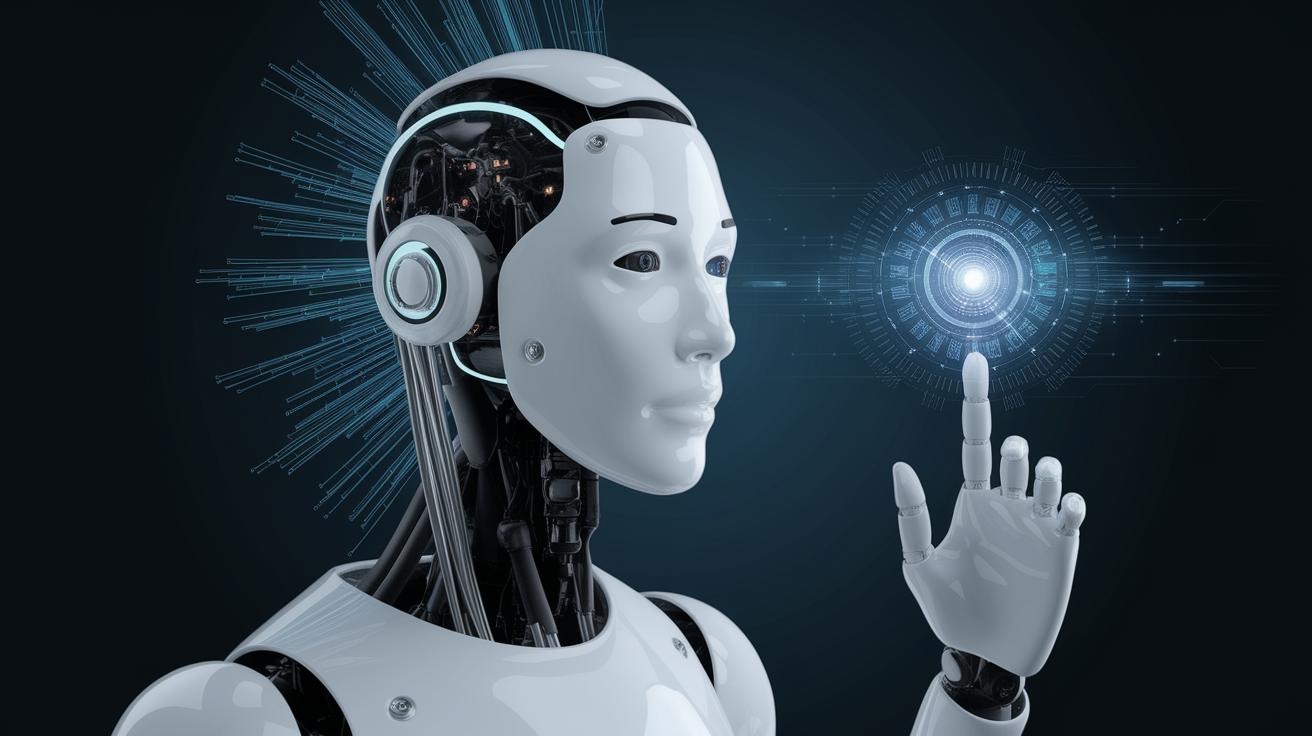
Intelligent machines have become a pivotal part of modern technology, driving innovations across various fields such as healthcare, transportation, and entertainment. In this article, we will delve into the essential components that contribute to the intelligence of these machines. We will explore their capabilities to learn, reason, solve problems, perceive environments, and understand languages. Additionally, the article will touch upon intricacies related to software product development, introduce the concept of Web 3.0, and unravel the notion of software entropy. Understanding these components is key to grasping how intelligent systems are built and how they function, setting the stage for future advancements and applications in artificial intelligence and beyond.
Learning
Learning is one of the core components that empower intelligent machines. At its essence, it allows a machine to improve its performance over time without explicit programming. Machine learning, a subset of artificial intelligence, utilizes algorithms that enable systems to identify patterns and make predictions based on data. This practice has seen widespread applications, from facial recognition technologies to recommendation systems on streaming platforms.
Supervised, unsupervised, and reinforcement learning are the primary methodologies within machine learning. Supervised learning deals with labeled datasets, whereas unsupervised learning explores unlabeled information to find hidden patterns. Reinforcement learning, on the other hand, is based on feedback from the environment to maximize rewards. These methodologies collectively facilitate the autonomous and incremental growth of intelligent systems, making them more reliable and applicable across various domains.
Reasoning
Reasoning is pivotal in enabling intelligent machines to make decisions and solve complex problems. It involves the process of drawing conclusions from available information, which computers today accomplish through logic-based systems and algorithms. Reasoning allows AI systems to process information similarly to human cognitive processes, enhancing their capacity to understand context and make informed decisions.
Two types of reasoning essential for intelligent systems are deductive and inductive reasoning. Deductive reasoning starts with a general statement and moves to a specific conclusion, whereas inductive reasoning takes specific observations to form a general conclusion. Advanced AI systems incorporate both reasoning styles to interpret data intricately and adapt to new information, thereby becoming more versatile and efficient in dynamic environments.
Problem-solving
The ability to solve problems is another critical component of intelligent machines. Problem-solving involves defining and framing problems, generating solutions, and validating the efficacy of these solutions. The utility of intelligent machines in problem-solving manifests across diverse applications, from optimizing supply chain logistics to enhancing medical diagnoses.
Heuristic techniques and algorithms play a fundamental role in devising solutions for complex and unfamiliar problems. These methodologies help machines identify optimal paths and strategies to resolve issues efficiently. Combining logical reasoning with computational power makes intelligent systems highly effective in automating problem-solving processes, thus streamlining operations across various industries.
Perception
Perception in intelligent machines refers to the ability to interpret and understand sensory inputs from the world around them. It encompasses techniques such as computer vision, speech recognition, and natural language processing, which enable machines to acquire and process information from visual, auditory, and linguistic cues.
For instance, computer vision technologies empower machines to recognize and classify objects in images and videos, acting akin to human visual perception. Similarly, speech recognition systems convert spoken language into text, facilitating seamless human-machine interaction. The integration of these perceptual capabilities allows intelligent systems to gain a holistic understanding of environments, thus enabling more intuitive and effective engagements.
Language Understanding
Language understanding is essential for intelligent machines to effectively interact with humans and process natural language. This component involves analyzing and generating human language, allowing machines to comprehend context, semantics, and nuances within text and speech. Natural Language Processing (NLP) frameworks underpin this capability, enabling applications like chatbots, virtual assistants, and language translation services.
Word embeddings, transformers, and neural networks are some of the cutting-edge technologies driving advancements in language understanding. These tools enhance a machine’s ability to capture linguistic intricacies and derive meaningful insights from textual data. As language understanding technologies continue to evolve, they pave the way for more natural and seamless human-machine communication.
Software Product Development
Software product development is fundamental in creating intelligent machines, highlighting the importance of integrating advanced technologies into cohesive systems. It involves phases such as planning, design, coding, testing, and deployment. Throughout this cycle, understanding user requirements and maintaining flexibility ensure the effectiveness of the final product.
In the context of intelligent machines, software development incorporates iterative improvements and agile methodologies to adapt to fast-paced technological changes. Developers work closely with data scientists and engineers to fine-tune machine learning models and algorithms, ensuring they deliver desired outcomes effectively and efficiently.
What Is Web 3.0?
Web 3.0, the next evolution of the internet, emphasizes decentralized and user-centric interactions. In the realm of intelligent machines, Web 3.0 facilitates enhanced data sharing, privacy, and computational capabilities through blockchain technology and semantic web principles.
This evolution provides opportunities for intelligent machines to operate within decentralized peer-to-peer networks, connecting and processing information seamlessly. With an increased focus on user privacy and data ownership, Web 3.0 aligns with the development of more secure, autonomous, and efficient intelligent systems.
Software Entropy
Software entropy refers to the gradual degradation of software systems over time due to continuous changes and complexity. In the landscape of intelligent machines, managing software entropy is crucial to maintain the performance and reliability of these systems.
Effective strategies like refactoring code, updating libraries, and maintaining documentation help mitigate software entropy. By systematically addressing these issues, developers can ensure the sustainability and robustness of intelligent machines even as they evolve and adapt to new technological paradigms.
Next Steps
| Component | Description |
|---|---|
| Learning | Involves utilizing algorithms for data pattern recognition and prediction, fostering autonomous growth. |
| Reasoning | Processes information through logic-based systems allowing intuitive decision-making. |
| Problem-solving | Employ heuristics and algorithms to devise optimum paths for resolving challenges efficiently. |
| Perception | Enables machines to interpret sensory inputs using technologies like computer vision and speech recognition. |
| Language Understanding | Utilizes NLP to facilitate human-machine interaction by comprehending and generating natural language. |
| Software Development | Process involving planning, design, and execution, crucial for integrating advanced tech in systems. |
| Web 3.0 | Represents a decentralized internet model enhancing security, autonomy, and efficiency. |
| Software Entropy | Entropy management ensures long-term performance and reliability of evolving systems. |