Exploring the Impact and Applications of Robotics in Education
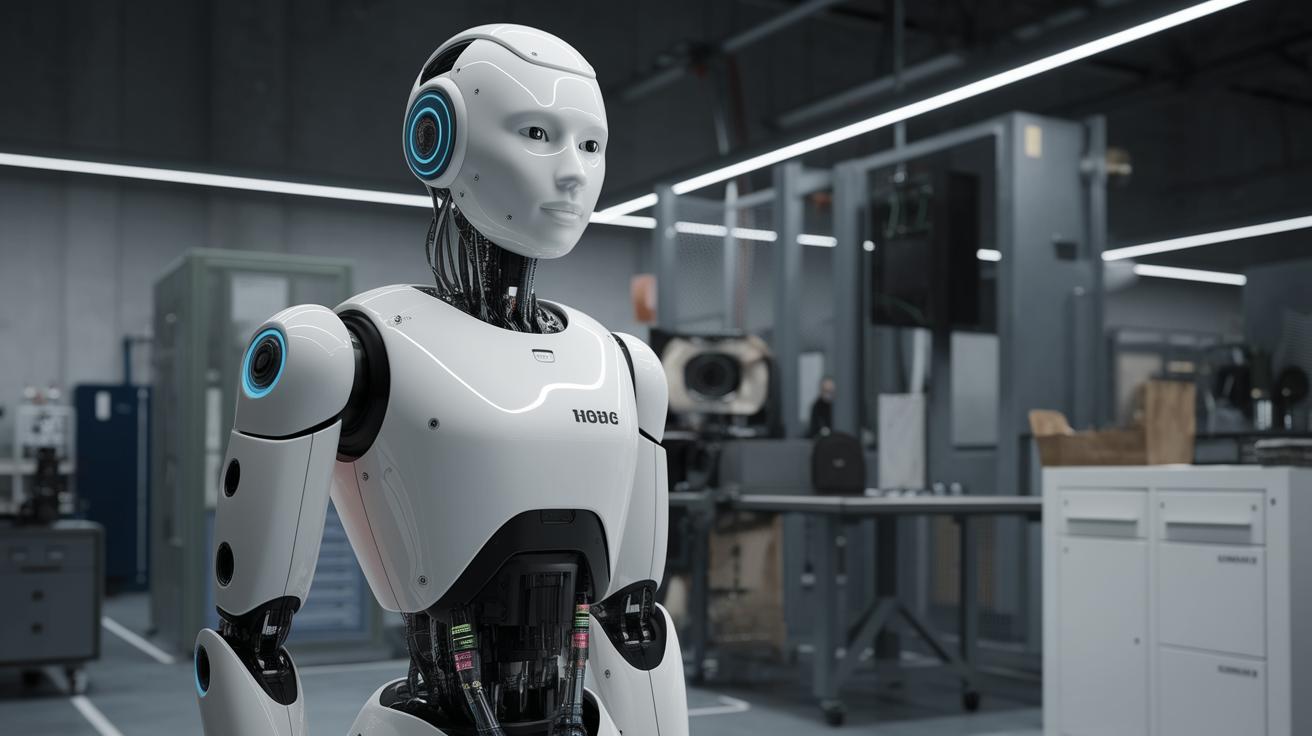
Robotics in education is redefining how students learn and teachers teach. From enhancing social skills to providing personalized learning opportunities, the use of robots is creating a revolutionary shift in traditional classroom settings. This article delves into the various uses, benefits, and roles of robotics in education. We’ll explore concrete examples like Wonder Workshop’s Dash and Cue Robots and the LEGO Group’s LEGO MINDSTORMS Robots. As the future of education becomes increasingly technological, questions arise about the potential of robots to replace teachers. While there are profound benefits, challenges also need to be navigated. This post explores these complexities, addressing frequently asked questions to provide a comprehensive understanding of this emerging trend.
Uses of Robotics in Education
Robotics offers diverse applications within educational settings, including facilitating hands-on learning experiences and fostering student engagement. Robots can introduce students to programming and coding, providing a practical tool to apply theoretical concepts. They make abstract subjects more tangible and understandable, sparking interest in STEM (Science, Technology, Engineering, and Mathematics) fields.
Additionally, robotics can support teachers by automating administrative tasks, allowing educators to focus more on teaching and less on paperwork. In interactive sessions, robots can be used as tools for presentation and demonstration, both capturing students’ attention and offering new ways to illustrate complex ideas.
Benefits of Robotics in Education
Stronger Social Skills
Robotic applications in education often emphasize social interaction, providing students with opportunities to develop stronger social skills. By working collaboratively with robots and peers, students learn communication, teamwork, and empathy. These interactions sometimes involve role-play with robots acting as intrepid partners or in simulations, which is particularly beneficial for students with communication difficulties, such as those on the autism spectrum.
Personalized Learning Options
One of the key advantages of using robotics in education is the ability to offer personalized learning options. Robots can adapt instructional methods based on individual student needs and learning speeds, ensuring that no student is left behind. This personalized approach caters specifically to each student’s learning style, maintaining engagement and improving overall comprehension.
Affordable Teaching Alternatives
Another benefit of robotics in education is that they can serve as affordable teaching alternatives, reducing costs associated with hiring additional staff or procuring traditional educational materials. With the integration of robots, schools can access a wide range of learning resources without incurring substantial additional expenses. Moreover, by providing consistent and scalable educational assistance, robots help in bridging the resource gap in underfunded educational settings.
Roles of Robotics in Education
Younger Age Groups
Robots play a pivotal role in education for younger age groups, often introducing foundational concepts in an engaging and interactive manner. Younger students benefit from the tangible nature of robots, which can turn abstract concepts into real-world applications. Robots serve as a captivating tool that can hold the attention of children, making lessons enjoyable and memorable.
One-on-One Interactions
In educational settings, robots can facilitate one-on-one interactions, providing individualized attention to students who might need extra help. This role is crucial for learners who struggle in traditional classroom settings. Robots can engage these students in a non-judgmental way, providing instant feedback and fostering an environment conducive to learning.
More Structured Subjects
For more structured subjects, such as mathematics and science, robots excel in illustrating step-by-step processes and conducting experiments. They can simulate complex scenarios with precision, thereby enhancing students’ understanding. By offering interactive experiences, robots enable experimentation and exploration, making structured subjects less daunting and more accessible.
7 Examples of Robotics in Education
Wonder Workshop’s Dash and Cue Robots
The Dash and Cue robots by Wonder Workshop are exemplary tools for introducing students to coding and robotics in an engaging way. Dash is designed for younger students, providing playful interactivity, while Cue offers advanced functionalities for more experienced users, facilitating a smooth progression.
Softbank Robotics’ Pepper and NAO Robots
Pepper and NAO robots from Softbank Robotics serve versatile educational roles. Pepper, with its humanoid features, is perfect for interactions and language learning, while NAO, a programmable robot, is often used for teaching coding and robotics, offering an intriguing way to learn technical skills.
The LEGO Group’s LEGO MINDSTORMS Robots
LEGO MINDSTORMS brings robotics into a playful learning environment, enabling students to build and program their own robots. This hands-on approach encourages creativity while instilling problem-solving skills, providing a comprehensive and fun educational experience.
VEX Robotics’ VEX GO Robot Kit
The VEX GO Robot Kit by VEX Robotics is specifically aimed at young learners, offering a modular, hands-on experience. It fosters critical thinking and collaboration, enabling students to explore STEM concepts via fun, engaging activities that involve building and programming.
University of Hertfordshire’s Kaspar Robot
The Kaspar Robot, developed by the University of Hertfordshire, is an interactive robot used to assist children with autism, helping them develop social interaction skills. With its child-friendly design, Kaspar facilitates communication skills through engaging and non-threatening interactions.
BeatBots’ Keepon Robot
Keepon Robot by BeatBots is a simple yet effective tool for social and communicative development in children, especially those with autism. Its ability to mimic expressions and respond to touch makes it a unique companion that encourages interaction and learning.
Personal Robots Group’s Tega Robot
Tega Robot, developed by the Personal Robots Group, uses affective computing to adapt to children’s emotional states, providing a personalized learning experience. This adaptability helps maintain engagement and promotes a deeper understanding of educational content.
Will Classroom Robots Replace Teachers?
The rise of robots in education prompts discussions about the role of human teachers. While robots are powerful educational tools, they cannot replace the nuanced, empathetic, and human elements that teachers bring to the classroom. Human educators offer personal connections, mentorship, and spontaneous adaptability in ways that robots may never replicate.
Instead of replacing teachers, robotics will likely play a complementary role, assisting with certain tasks while allowing teachers to focus on activities that require human intervention. The synthesis of human and robotic capabilities is expected to create a more dynamic and efficient educational environment.
The Future of Robotics in Education
Looking ahead, robotics is poised to become increasingly integrated into educational curricula worldwide. As technology advances, we can anticipate more sophisticated robots capable of offering even richer educational experiences. Initiatives to train educators in robotics will be crucial, ensuring that the workforce is equipped to utilize these technologies effectively.
Furthermore, equitable access to robotic tools needs emphasis to avoid deepening educational divides. As costs decrease and availability increases, robotics has the potential to transform learning environments across diverse educational contexts, making high-quality education more attainable for all.
Frequently Asked Questions
What is an example of a robot in education?
An example of a robot used in education is the LEGO MINDSTORMS kit, which allows students to build and program their own robots, providing hands-on experience with engineering concepts and computer programming.
Are robots currently being used in schools?
Yes, robots are actively being used in schools around the world to supplement traditional teaching methods, offer personalized learning experiences, and introduce new ways for students to engage with subjects such as coding and robotics.
What are the positive effects of robots in education?
Robots in education offer numerous benefits, including fostering student engagement, enhancing social and communication skills, providing tailored learning experiences, and helping students develop technical and problem-solving skills essential for the future workforce.
Next Steps in Educational Robotics
| Topic | Highlights |
|---|---|
| Uses of Robotics | Creates interactive learning, introduces programming and coding, automates tasks |
| Benefits | Enhances social skills, offers personalized learning, provides affordable options |
| Roles | Supports younger groups, facilitates one-on-one learning, aids structured subjects |
| Examples | Dash & Cue, Pepper & NAO, LEGO MINDSTORMS, VEX GO, Kaspar, Keepon, Tega |
| Teacher Replacement? | Robots complement but don’t replace teachers |
| Future Outlook | Integration of robotics, equitable access, enhanced learning experiences |