The Influence of AI on Global Economic Patterns
Introduction
In an era where technological advancements redefine industries, Artificial Intelligence (AI) stands as a pivotal force driving change. This blog post delves into how AI influences global economic patterns, reshaping industries, labor markets, and international trade. By evaluating AI’s economic revolution, its impact on the global economic order, and its implications for financial markets, we will uncover the transformative potential and challenges AI presents to economies worldwide. As AI continues to evolve, understanding its economic influence is crucial for policymakers, businesses, and individuals seeking to navigate this dynamic landscape.
Part One: AI’s Economic Revolution
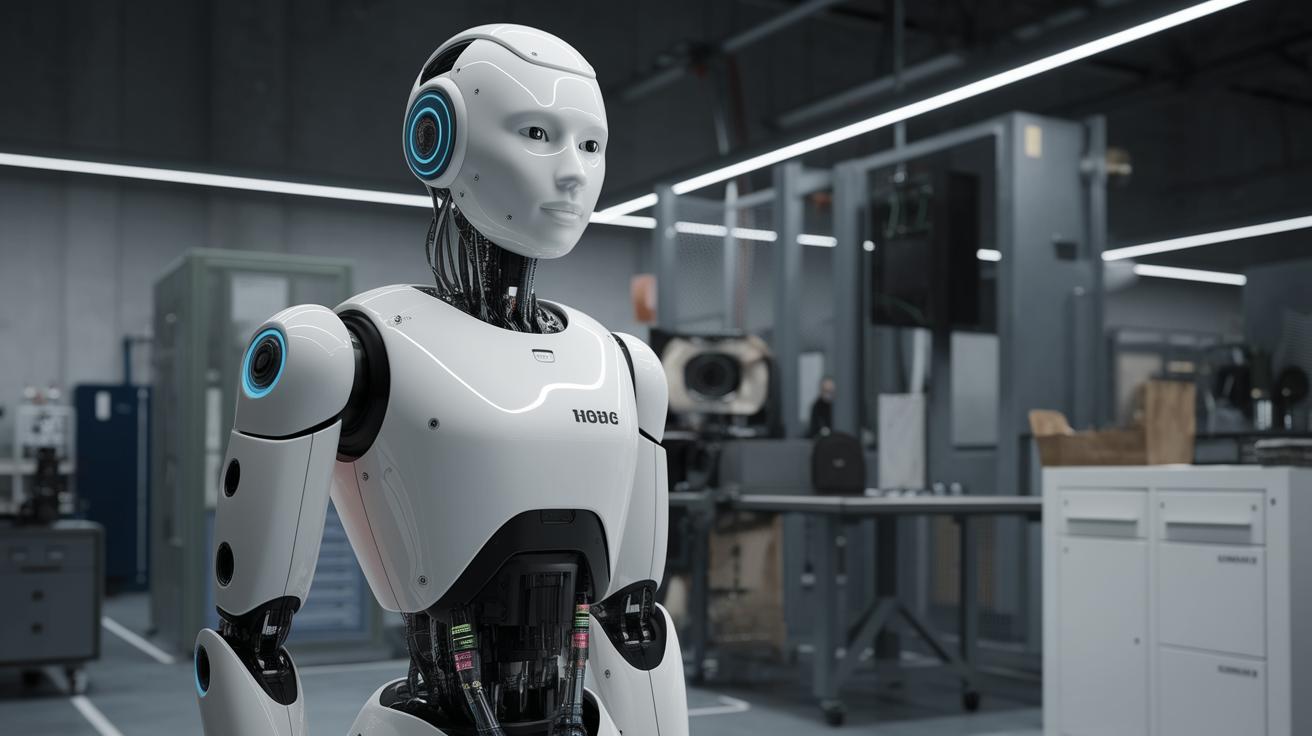
AI’s economic revolution is already underway, with automation and machine learning reshaping businesses and labor markets. Companies leveraging AI technologies experience increased productivity and efficiency, leading to cost savings and enhanced competitiveness. Industries like manufacturing and logistics have adopted AI-driven robots and algorithms to optimize production processes, contributing to an economic overhaul that is both profound and far-reaching.
On the other hand, the rise of AI has initiated significant changes in the labor market. Automation threatens to displace certain jobs, particularly those in repetitive or easily automatable roles. However, it also creates opportunities by generating demand for new skills and professions. As AI continues to integrate into various sectors, developing a workforce equipped with complementary skills becomes crucial to ensuring balanced economic growth and mitigating the displacement risks associated with this technological transformation.
Part Two: AI and the Global Economic Order
The influence of AI on the global economic order is marked by a shift in the power dynamics between nations. Countries investing heavily in AI research and development are poised to gain economic leverage and leadership. By fostering AI innovation, nations like the United States, China, and those within the European Union aim to bolster their economic standing and influence on the global stage. This race for AI supremacy can result in strategic alliances and heighten geopolitical tensions.
AI’s ability to analyze vast data sets and generate insights also promises to transform international trade. By facilitating more efficient supply chains, streamlining logistics, and personalizing customer experiences, AI can enhance cross-border commerce. However, disparities in AI adoption between developed and developing countries may widen economic inequalities, leading to an uneven distribution of benefits and challenging efforts towards a balanced global economic order.
Part Three: Blowing Bubbles? AI’s Financial Market Implications
In the financial markets, AI unlocks possibilities and poses challenges. Algorithmic trading and AI-driven analytics offer investors new tools for accurate predictions and informed decision-making. With reduced transaction times and improved risk management, AI enhances market efficiency, potentially leading to increased liquidity and market participation. However, the reliance on AI-driven models also raises concerns about market volatility, considering such systems might amplify speculative bubbles or lead to market crashes.
Moreover, ethical considerations emerge as AI integrates with financial decision-making. Financial institutions must address the transparency and fairness of AI algorithms. Regulators strive to balance maintaining stability with promoting innovation, ensuring ethical practices in AI’s deployment in finance. As AI continues to intertwine with financial systems, understanding these implications is essential for investors and policymakers who navigate the evolving landscape of global markets.
Next Steps
| Aspect | Summary |
|---|---|
| AI’s Economic Revolution | AI enhances productivity and efficiency, reshaping labor markets and necessitating skill development to balance growth and mitigate job displacement. |
| AI and the Global Economic Order | AI alters global power dynamics, offering economic leverage to AI innovators, while risking an increased divide between developed and developing countries. |
| AI’s Financial Market Implications | AI offers tools for enhanced market efficiency and decision-making but raises ethical and volatility concerns that require careful regulation and innovation balance. |